
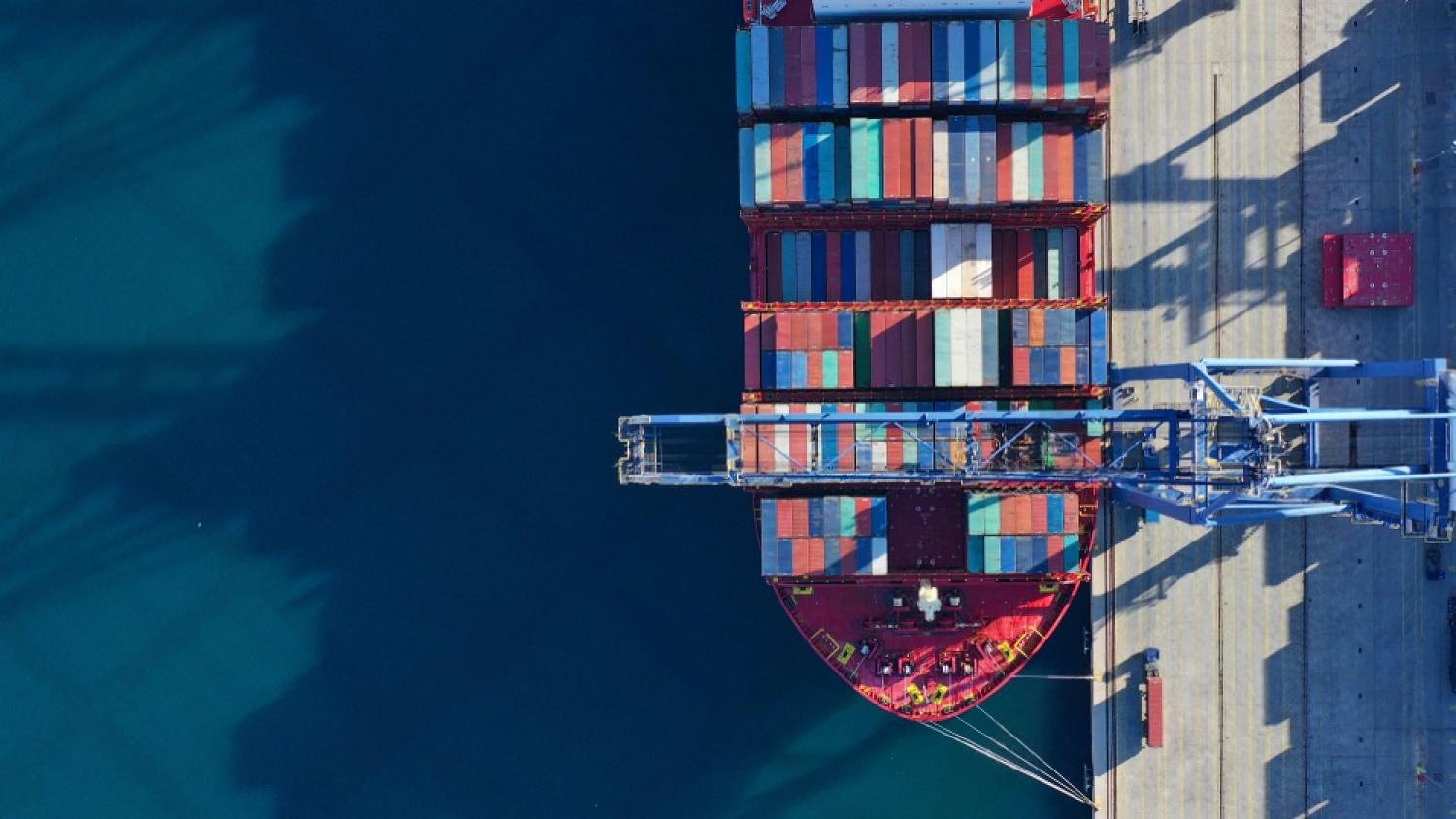
International sanctions are legal restrictions placed by governments or bodies like the United Nations Security Council the United States Treasury, the European Union, and the United Kingdom on doing business with specific countries, companies, or individuals. For a trading hub like the UAE, where re-exports, shipping, and cross-border finance sit at the centre of the economy, these rules have a direct effect on how goods move, how contracts are written, and how quickly a shipment clears customs.
In the last few years the volume of sanctions activity has grown sharply, and more organisations and product categories are added to restricted lists every month. Understanding what that means in practice, not in theory, is now a basic requirement for anyone importing, exporting, or forwarding goods through Dubai, Abu Dhabi, or the northern emirates.
Section 1
How Sanctions Actually Reach a UAE Business
Sanctions rarely arrive as a single dramatic event. They usually appear as a slow tightening: a bank asks for extra documents, a shipping line refuses a booking, a supplier asks to be paid in a different currency. Each of these is a symptom of the same underlying pressure.
- Direct listing. A counterparty, its parent, or its beneficial owner appears on a restricted-party list.
- Sectoral rules. An entire industry, such as oil services or dual-use electronics, is limited even when specific firms are not named.
- Secondary sanctions. Non-US companies risk penalties for transacting with a sanctioned party in US dollars or with US-origin content.
- Country-wide embargoes. Comprehensive restrictions on jurisdictions such as North Korea, and heavy limits on Iran, Syria, and parts of Russia.
The UAE follows UN measures directly and enforces its own framework through the Executive Office for Control and Non-Proliferation. That means a company registered in a Dubai free zone can face local enforcement, correspondent-bank refusals, and foreign regulator action all at once.
Section 2
Ports, Terminals, and the Timeline Problem
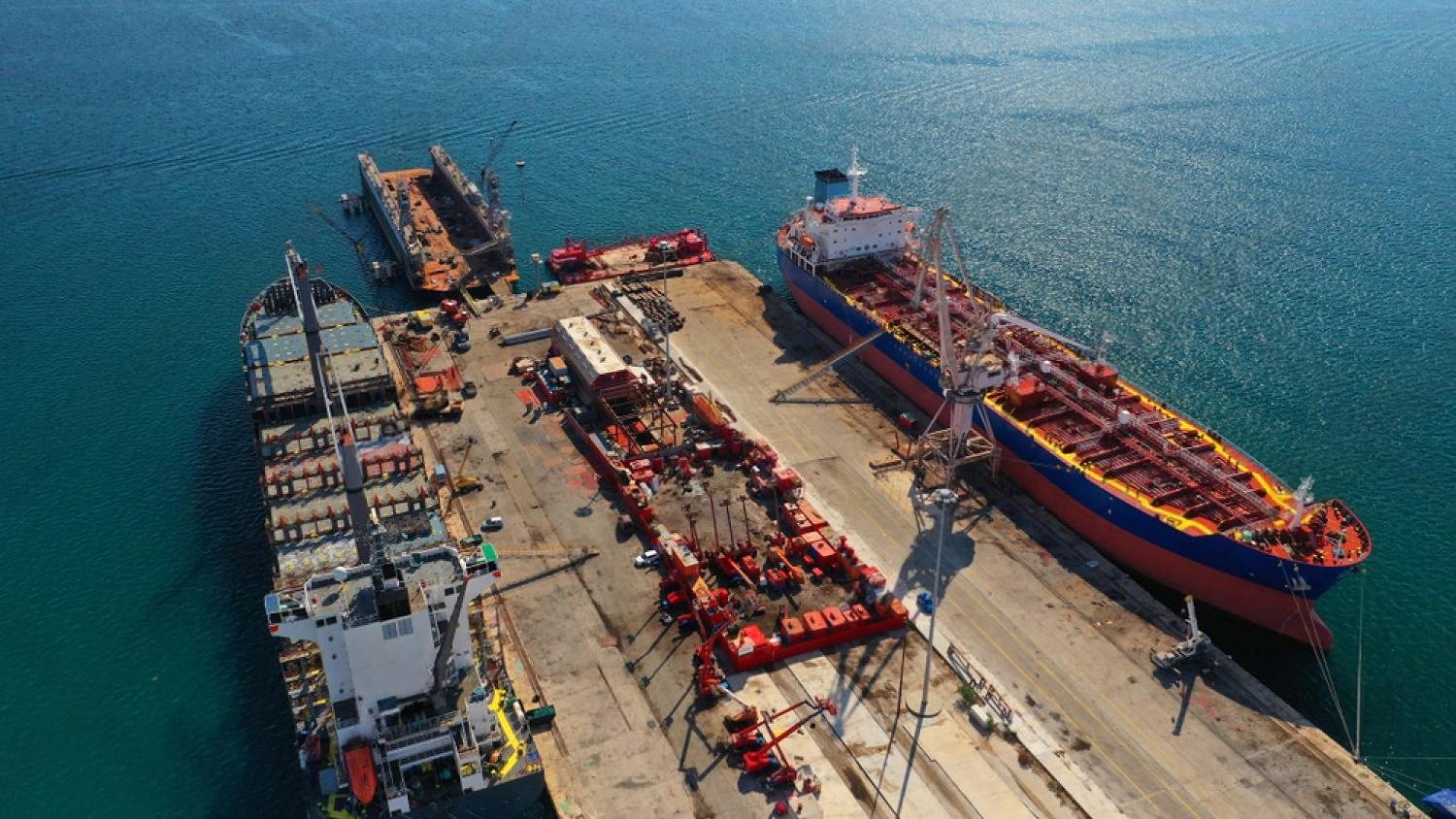
Global supply chains depend on predictable maritime schedules. Sanctions break that predictability. When a terminal is placed under restrictions, or when a vessel is flagged for carrying sanctioned cargo, the ripple effect reaches ports thousands of kilometres away, including Jebel Ali, Khalifa Port, and Fujairah.
Typical disruptions include:
- Berth refusals. Terminals decline to service vessels linked to sanctioned owners, operators, or flags.
- Insurance withdrawal. P&I clubs suspend cover, which stops the vessel from loading or unloading legally.
- Payment freezes. Correspondent banks hold funds mid-transfer, delaying release of cargo against a bill of lading.
- Rerouting. Ships avoid restricted waters or chokepoints, adding days or weeks to a schedule.
The effect on the ground is that a container promised in 21 days may arrive in 45, or may not arrive at all. Local buyers still owe rent, salaries, and financing costs while they wait. Building a buffer into contracts, and running a proper sanctions check on every new counterparty before signing, is the cheapest form of insurance available.
Section 3, Products and Companies That Keep Getting Added
Restricted-party lists are not static. Names are added weekly, and product categories expand into areas that used to be routine. A component that shipped freely last quarter may need an export licence today. Firms that ignore the updates do not just lose one deal, they lose access to the banking channels that support every other deal.
- Dual-use technology. Semiconductors, drones, precision machine tools, and encryption software attract the tightest scrutiny.
- Energy equipment. Turbines, pipeline valves, and refinery parts often fall under sectoral rules even when the buyer is unlisted.
- Luxury goods. High-value watches, vehicles, and yachts are restricted for delivery to certain jurisdictions above set thresholds.
- Metals and minerals. Gold, aluminium, steel, and specific rare earths appear on rotating restriction lists.
- Financial services. Correspondent banking, insurance, and brokerage services face specific carve-outs and prohibitions.
According to figures published by the US Treasury Office of Foreign Assets Control the number of Specially Designated Nationals has grown into the tens of thousands, with hundreds of additions each year. The cost of a single missed screening can wipe out the margin on months of trading.
Section 4
The Real Financial Cost to a UAE Trader
The direct fines make headlines, but for most SMEs in the Emirates the pain shows up in less dramatic ways. Money leaks out of the business through delays, forced substitutions, and higher financing costs long before any regulator sends a letter.
- Demurrage and detention charges on containers stuck at port
- Storage fees at bonded warehouses while paperwork is re-issued
- Currency losses from switching away from restricted payment rails
- Premium pricing from alternative suppliers found on short notice
- Lost customers when promised delivery windows collapse
- Legal and consulting fees to respond to bank compliance queries
A mid-size electronics importer in Dubai can easily see six-figure AED losses on a single delayed container. Repeated exposure damages the credit line the company holds with its bank, which is often harder to rebuild than the lost cargo itself.
Key Ideas in Sequence
- Map the exposure. Know which of your suppliers, customers, banks, and carriers touch sanctioned jurisdictions or persons.
- Screen before you sign. Run every new counterparty and every ultimate beneficial owner against updated lists.
- Rescreen on a schedule. Lists change weekly, so a clean check from six months ago is not proof of anything today.
- Build contract clauses. Include sanctions warranties, termination rights, and force-majeure language covering regulatory events.
- Diversify routes and suppliers. Single-source dependence is the risk that hurts most when a listing lands.
- Document everything. If a bank or regulator asks later, the paper trail is what protects the company.
Reference: Common Sanctions Regimes Affecting UAE Trade
| Regime | Issuing Body | Typical Reach in the UAE |
|---|---|---|
| UN Security Council measures | United Nations | Directly binding, enforced by the UAE Executive Office |
| OFAC (US) sanctions | US Treasury | Applies to USD transactions and US-origin goods or tech |
| EU restrictive measures | European Union Council | Affects EU counterparties, banks, and re-exports to the EU |
| UK OFSI sanctions | HM Treasury | Applies to GBP flows and UK-linked firms and insurers |
| UAE local lists | Executive Office for Control and Non-Proliferation | Domestic enforcement, licence refusals, account freezes |
The table is a starting point, not a complete map. Any company with cross-border flows should confirm the specific regimes that touch its industry and route with a qualified compliance advisor.
In short
Treat Sanctions as a Standing Operating Cost
Sanctions are no longer an occasional headline risk for UAE businesses, they are a recurring operating condition. Companies that build screening, contract discipline, and supplier diversification into their normal workflow keep goods moving. Companies that treat compliance as an afterthought pay for it in blocked payments, stranded containers, and lost customers.
Frequently asked questions
Does the UAE apply international sanctions automatically?
UN Security Council sanctions are directly binding on the UAE and are enforced locally through the Executive Office for Control and Non-Proliferation. Sanctions issued by the US, EU, or UK are not automatic, but they reach UAE companies through banking channels, insurance, US-origin content in products, and correspondent relationships. In practice, most UAE traders end up complying with several regimes at once.
What happens if my UAE company accidentally deals with a sanctioned party?
Consequences range from a bank freezing the specific payment to full account closure, loss of trade finance lines, denial of import licences, and in serious cases criminal referral. Foreign regulators can also impose fines on the UAE entity if a USD payment or US-origin item was involved.
The best defence is a documented screening process: even where a mistake happens, showing that reasonable checks were performed changes the outcome significantly.
How often should we screen our suppliers and customers?
At minimum, screen every new counterparty before onboarding and again before every material transaction. High-risk sectors such as trading, shipping, precious metals, and dual-use goods should rescreen the full customer and supplier base at least monthly, because designations change constantly.
Can I still trade with Iran or Russia from Dubai?
Some categories of trade with Iran and Russia remain legal, but many do not, and the boundary shifts frequently. Financial services, dual-use technology, energy equipment, and luxury goods carry the tightest restrictions. Before any deal, get written legal advice on the specific goods, end use, and payment route. A general assumption that trade is allowed because the UAE has not imposed a full embargo is not a defence against US, EU, or UK enforcement.
Why do banks in the UAE ask so many questions about my shipments?
UAE banks operate under strict correspondent banking relationships, and their overseas partners require detailed know-your-customer and know-your-cargo information. Questions about the end user, port of discharge, vessel name, and product HS codes are how the bank protects its own access to international payment networks. Answering promptly and consistently is the fastest way to keep trade finance lines open.
Do free zone companies have any exemption from sanctions rules?
No. Free zone status affects taxation, ownership, and customs treatment, but it does not exempt a company from UAE sanctions law or from the reach of foreign regimes. A free zone entity that violates sanctions faces the same enforcement risk as an onshore LLC, and in some cases greater scrutiny because free zones are seen as higher-risk by foreign regulators.