There are other ways to integrate technology into the interface besides just adding individual devices. A smart home is gradually ceasing to be a set of gadgets and turning into a system where interior design, automation and architectural surfaces work as a whole. The main demand of users today is not a demonstration of technology but comfort, visual harmony and predictable behaviour of the space.
As the number of connected devices grows and the Internet of Things develops, designers and architects are increasingly faced with the need for hidden technology integration. The space should remain visually clean but at the same time be adaptive, energy efficient and personalised.Modern interior wrap systems make it possible to conceal sensors, interfaces and technical elements within walls, panels and furniture surfaces.
The Development of the Smart Home: From gadgets to the Surroundings.
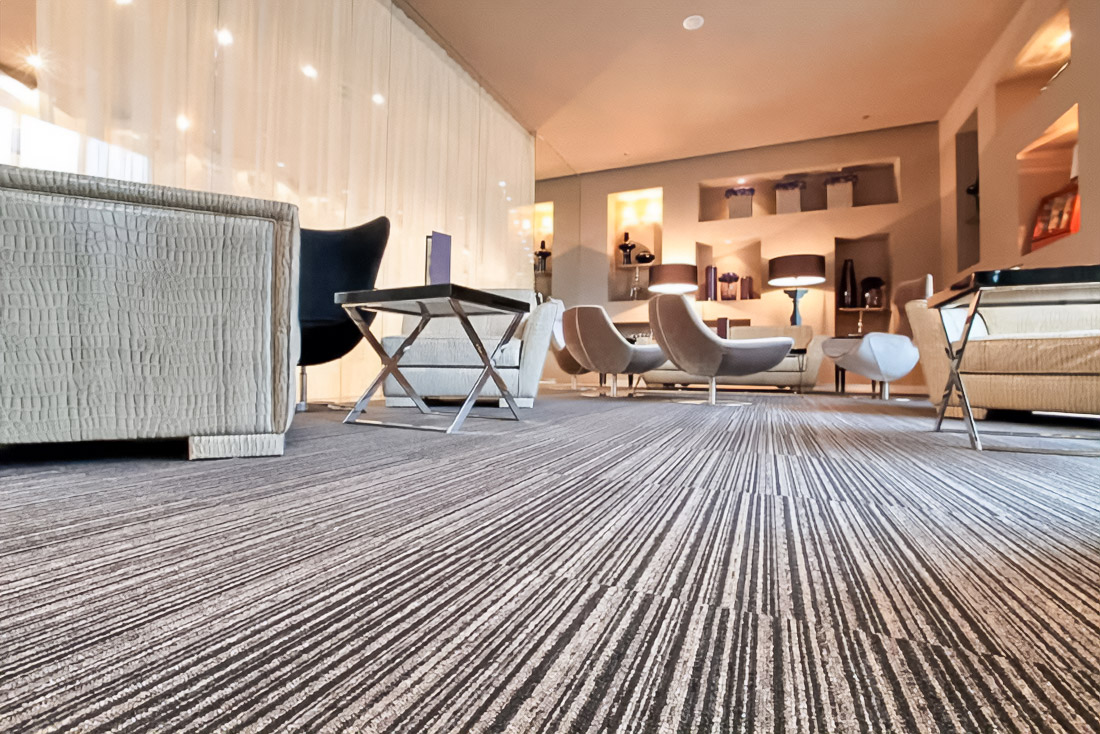
Early automation systems focused on individual functions: lighting, climate control, and security. Over time, the number of smart devices has grown so much that their visual presence has begun to interfere with interior design. This caused a shift in strategy, with technologies starting to be incorporated into the architecture.
Today, smart interiors are built around the principles of minimalism, functional aesthetics and seamless integration. Walls, furniture, and ornamental materials are increasingly concealing sensors, wiring, controllers, and interfaces. Techniques such as wardrobe wrap solutions allow storage systems and cabinetry to become part of a unified smart environment rather than stand-alone objects. The user engages with space rather than gadgets.
This shift is also confirmed by the market. The global smart home market is expected to reach $622.59 billion by 2026, reflecting the shift from experimental solutions to mass adoption of intelligent systems in residential and commercial interiors.
Smart Surfaces as the Basis of Smart Spaces
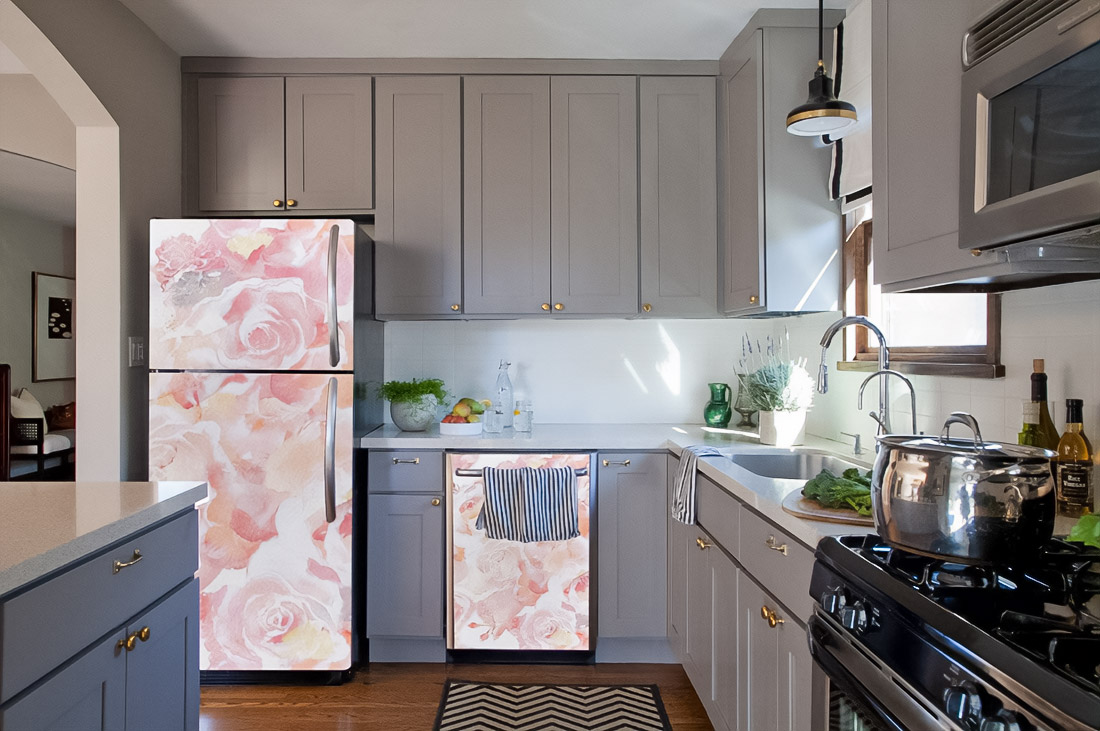
Smart surfaces have become one of the key areas of development. This concept combines materials and coatings that respond to the environment, user behaviour, or automation system commands. Unlike traditional devices, such surfaces perform several functions simultaneously.
Smart walls, panels, and coverings may include:
- Touch control areas
- Built-in lighting
- Collecting presence and activity data
- Temperature and light control
- Interactive interfaces without separate screens
It is important that such solutions do not add visual noise. On the contrary, architectural surfaces become part of the interface, preserving the integrity of the interior design.
Climate, Biological Cycles, and Lighting
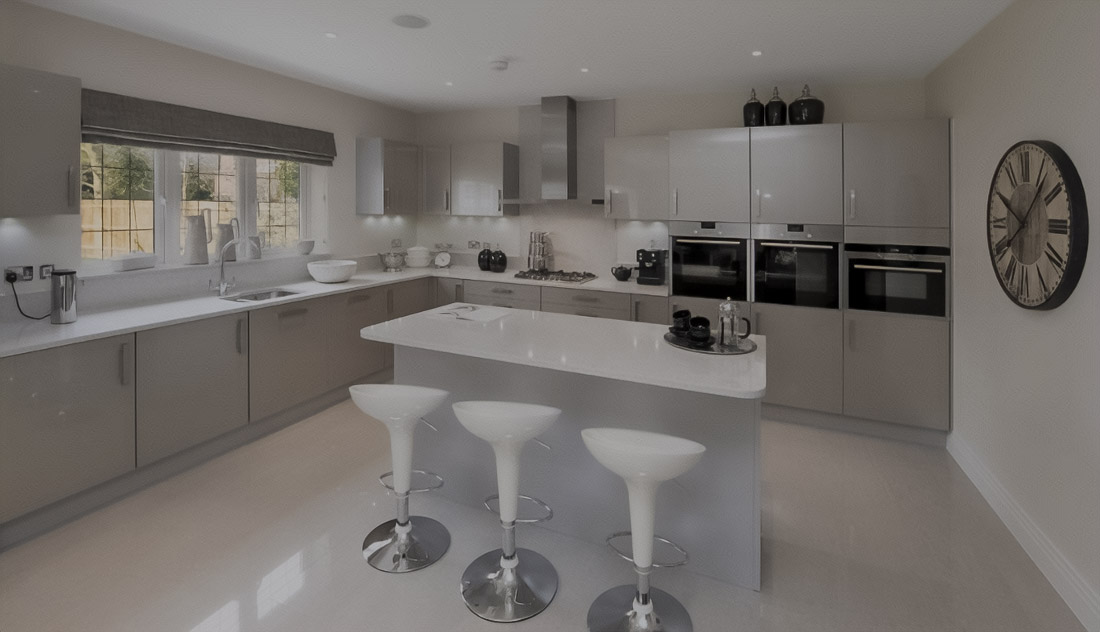
In smart interiors, adaptive lighting has a special place. In addition to modifying brightness, it is crucial to support human circadian rhythms.In order to adapt to natural light, intelligent lighting systems can alter colour temperature and intensity throughout the day.
This approach is directly related to wellness design and well-being. You can create a comfortable environment without constant user intervention by combining ventilation, climate control, and smart lighting.
Energy efficiency plays a key role here. Modern intelligent systems and materials can reduce energy consumption of buildings by an average of 10-20%, which makes smart interiors not only convenient but also economically feasible.
Hidden Automation and Visual Cleanliness
Technological invisibility remains one of the main themes in modern interior design. Hidden wiring, embedded systems, modular infrastructure and smart furniture make it possible to keep the space visually clean.
Minimalism in this case is not a style but a functional necessity. The more automation and sensor technologies there are, the more important it is to properly distribute and integrate them. Space is controlled through a single user experience, rather than through a set of separate panels and devices.
Intelligent Materials and Sustainable Design
The development of intelligent materials is directly related to sustainable design. Modern coatings have the properties of self-cleaning, UV protection, and resistance to wear and contamination. This reduces the need for maintenance and extends the service life of the finish.
The introduction of energy-generating surfaces, smart windows, and adaptive facades has accelerated due to the more than 90% reduction in photovoltaic technology costs over the last ten years. Such solutions are being used more and more in interior and architectural projects.
Personalization and Adaptive Spaces
Personalisation remains one of the key advantages of smart interiors. Intelligent systems analyse user behaviour, illumination, temperature, and space utilisation and adjust scenarios automatically.
This allows you to create adaptive spaces that change depending on the time of day, the number of people, and usage scenarios.Flexibility is increasingly becoming essential, particularly in multifunctional spaces and residential interiors.
Forecasts indicate that there will be more than 31 billion IoT devices by 2030, and managing such a large number of technologies will be impossible without careful architectural integration.
The Future of Smart Interiors
The development of smart interiors is moving towards a complete fusion of design, automation and data. Surfaces are becoming interactive, technology is becoming less visible, and space is becoming more predictable and convenient.
Future interiors will be built not around individual devices, but around scenarios of life, comfort and well-being. That is why smart surfaces, hidden automation and adaptive design are becoming the basis of a new approach to the design of residential and commercial spaces.