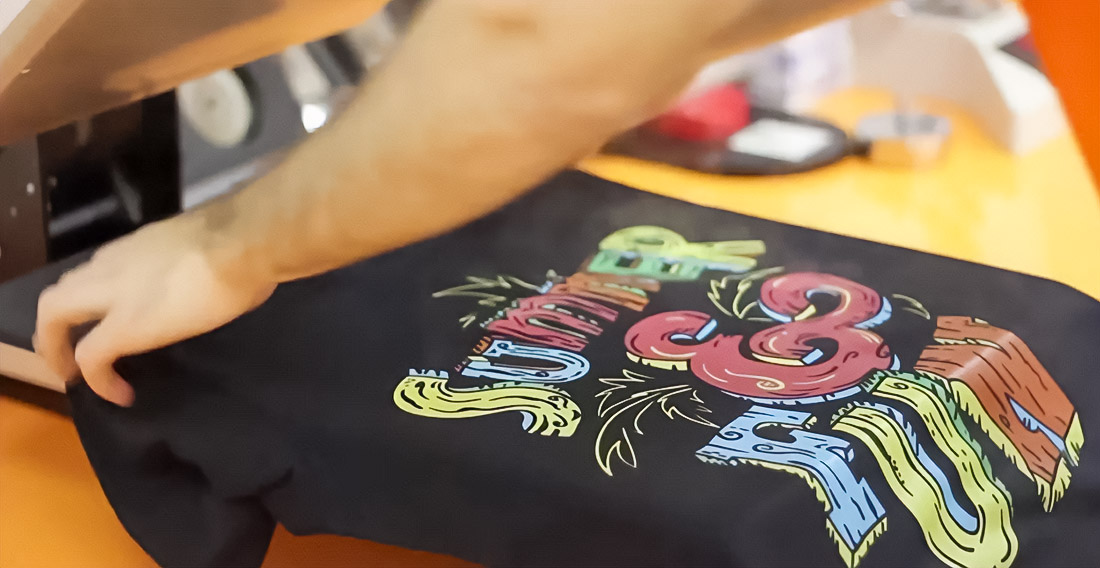
California’s Proposition 65 law is a framework that forces businesses to speak honestly about chemical risks. It requires a “clear and reasonable warning”, protects drinking water, and warns against carcinogens and reproductive toxins. The OEHHA list includes about 900-1000 substances, and the requirements for warning labels have become stricter since 2018. Violation is expensive. The fine reaches $2,500 per day for each violation. In the context of printed products, it is especially important to consider the use of safe materials. For example, this has become key for companies offering dtf printing in the USA.
What Exactly Regulates Prop 65
The law was adopted in 1986, and the first warnings appeared in 1988. In 2016, the rules were updated, and they entered into force in August 2018. The business is obliged to inform the consumer before the purchase, including the online product pages. The label contains the word WARNING, a yellow triangle with an exclamation mark. Short warnings now also clarify chemistry. From January 1, 2025, the short format is required to specify a specific chemical for each type of risk. An exception is provided for companies with fewer than 10 employees. Government agencies are not subject to the law.
Thresholds, Testing, And Documentation
Prop 65 is about impact, not just content. Solve safe harbor levels: NSRL for carcinogens and MADL for reproductive toxins. If the exposure is below the threshold, no warning is required. For example, DINP has NSRL 146 µg/day, and DIDP has MADL 2200 µg/day. When the threshold is not set, an exposure assessment is performed. Compliance begins with Safety Data Sheets: Sections 3, 11 and 15 suggest the composition and regulatory information. Next comes laboratory testing, matching with NSRL and MADL, protocol storage, and compliance documentation. If exceeded, reformulation or supplier replacement. If this is not possible, apply labeling. There are different terms and materials. These are lead, cadmium, formaldehyde, phthalates (DEHP, DBP, DINP, DIDP, DnHP), BPA, acrylamide. The categories are wide: electronics, textiles, furniture, jewelry, toys, medical devices, tableware and packaging.
Law Enforcement And Business Risks
The Prop 65 has a special control system. There is government harassment and private enforcement. The so-called “bounty hunters” file lawsuits on behalf of the society. About 3,000 notifications are generated per year, and in 2019 counted 5,924. Retailers are also taking risks. If they have not passed on the warning further down the chain or own their own brand, the responsibility increases. Therefore, the strategy is simple. When in doubt, warn, but confirm with an assessment of the exposure. Keep a close eye on the OEHHA news. The list is updated at least once a year. In May 2025, a federal court lifted mandatory cancer warnings for acrylamide in food if it occurs naturally during cooking. This does not affect other substances and other sources of exposure. Practice shows the obvious. The clearer the labeling, the lower the risk of legal action and reputational damage. Companies are building a system: material assessment, toxicology, verification SDS, control thresholds, supplier documentation, visible labeling on the packaging and in the product card. For multilingual instructions, the warning is duplicated. For online sales, the warning is shown before the order is placed.
The output is simple and hard. Prop 65 is an ongoing effort with risk and transparency. Clear labels, accurate testing, correct NSRL/MADL calculations, timely documentation and reasonable reformulation where possible. This is how businesses comply with the law and maintain trust.